
How do I seal a leaking gutter?
Quick answer: To seal a leaking gutter, clean the damaged area thoroughly with a biocide wash, let it dry, if necessary, apply a primer suited to your gutter material, then seal the leak with a flexible, weatherproof patch or coating such as a SpeedPatch gutter hole repair kit. A proper repair takes under an hour of hands-on work and can last 10–20 years – far longer than off-the-shelf sealants, which often fail within a year.
That’s the short version. The longer version — the one that stops you repeating the same repair every spring — depends on what your gutter is made of, where the leak is coming from, and how well you prepare the surface. This guide covers all of it.
Why Is My Gutter Leaking in the First Place?
Before you seal anything, work out why it’s leaking. Sealing the wrong problem is the number one reason gutter repairs fail. There are five common causes:
- Holes and cracks. Corrosion in metal gutters, frost damage in concrete and cast iron, and general age in asbestos cement gutters all create holes. These are the classic “drip in one spot” leak and the easiest to fix permanently.
- Failed joints. Where two gutter sections meet, the original jointing compound or rubber seal eventually perishes. Joint leaks show up as drips directly under a union or angle, especially after heavy rain.
- Sagging and pooling. If a bracket has failed or the gutter has lost its fall (the slight slope towards the outlet), water pools and finds its way through any weak point. No sealant will fix a gutter that’s holding standing water, you’ll need to correct the fall first.
- Blockages. Leaves, moss and silt dam the water until it overflows the edge. This often looks like a leak but isn’t one. Clear the blockage before deciding whether you actually have damage.
- General deterioration. Older concrete (Finlock) and asbestos cement gutters become porous over time, so water seeps through the material itself rather than through a single hole. These need a full coating rather than a spot repair.
Get up a ladder on a dry day (or better, during light rain when you can see exactly where water escapes) and identify which of these you’re dealing with. Everything that follows assumes you’ve done this.
What Do I Need to Seal a Leaking Gutter?
For a hole or crack repair, you need four things:
- A cleaner/biocide to remove dirt, algae and moss spores from the repair area. Skipping this step is why most DIY gutter repairs fail. Sealant sticks to the grime, not the gutter.
- A primer matched to your gutter material. Porous surfaces like concrete and asbestos cement absorb moisture from sealants and cause them to fail without one.
- A flexible, weatherproof sealant or patch. Gutters expand and contract constantly with UK temperature swings, so a rigid repair will crack. Look for UV-stable products designed for exterior use.
- Basic kit: a soft brush, a bucket, gloves, and a stable ladder (ideally with a standoff so you’re not leaning on the gutter you’re trying to fix).
The simplest route is an all-in-one gutter hole repair kit, which includes the biocide cleaner, a UV-curing primer resin and SpeedPatch sealant patches sized for the job. Small kits handle up to three golf-ball-sized holes; large kits cover multiple bigger breaches up to 20cm x 13cm.
How to Seal a Leaking Gutter: Step by Step
This method works for holes and cracks in metal, concrete, cement and asbestos gutters. (Joint leaks and porous gutters are covered further down.)
Step 1: Work safely
Check the gutter and fascia are structurally sound before putting any weight near them. Use a ladder standoff, have someone foot the ladder, and never overreach – move the ladder instead. If your gutters are asbestos cement, don’t drill, cut, sand or pressure-wash them dry; work with the material intact, and the repair methods below are all non-invasive encapsulation approaches that avoid disturbing fibres.
Step 2: Clean the repair area thoroughly
Adhesion is everything. Mix a biocide cleaner like with water (1 part biocide to 10 parts water for gutters), and scrub well beyond the damaged area with a soft brush. You want to remove every trace of dirt, algae, moss and the black biofilm that builds up in UK gutters. Rinse and let the surface dry completely. The biocide also kills moss spores, so nothing regrows underneath your repair and lifts it later.
Step 3: Prime the surface
If your gutter is made out of a porous material (concrete, cement, asbestos), paint primer generously over the hole and the surrounding area – cover more than you think you need. If you’re using a UV-curing resin primer, it cures in daylight, so there’s no mixing and no waiting on the weather beyond a dry spell. Let the primer dry fully before the next step. If your gutter is nonporous (plastic) you do not need primer when using a SpeedPatch for repairs.
Step 4: Apply the patch
If you’re using a UV-curing patch like SpeedPatch: keep it in its blav packet and in shade until you’re ready, because daylight starts the cure. Cut it to size with a generous overlap beyond the hole. Peel the white backing from the underside, position it over the hole and press down firmly across the whole patch to ensure full contact. Then peel off the clear film if you want a matt finish or to sand, drill or paint the patch. Let daylight do the rest. The patch cures rigid and fully weatherproof.
Step 5: Check your work
Once cured, pour a bucket of water into the gutter upstream of the repair and watch it. No drips, no seepage, job done. It’s worth checking again after the first proper rainfall.
How Do I Seal a Leaking Gutter Joint?
Joint leaks need a slightly different approach because the leak point moves as the gutter expands and contracts.
For PVC gutters, the fix is usually mechanical rather than chemical: unclip the joint, clean out the debris, and replace the rubber gasket seal (they cost a few pounds from any merchant). Sealant on a PVC joint is a bodge that traps you into resealing every year.
For metal, cast iron and concrete gutter joints, clean and prime as above, then seal across the joint with a flexible sealant. A fast-curing sealant-adhesive is ideal for detail work like this – you’ll find suitable options among our gutter repair accessories. MS Polymer is best for more porous surfaces that you can’t get completely dry. PU Sealant is best for nonporous that can be made done-dry before application. For cast iron joints that have been repeatedly patched, it’s often better to rake out the old compound entirely, re-make the joint, and then coat over it.
Can I Seal a Gutter in the Rain or in Winter?
Mostly, yes with the right products. Surface preparation still needs a dry surface for the primer and patch to bond, but you don’t need a summer heatwave. UV-curing patches cure in ordinary daylight, including overcast winter days (it just takes a little longer), and fast-curing coating systems are formulated for application in colder UK temperatures. For a genuine emergency — water pouring in and rain forecast all week — an emergency repair kit with an all-weather patch will stop the leak immediately, and you can do the full repair when conditions improve and you have a period of dry weather where you dry the surface.
How Much Does It Cost to Seal a Leaking Gutter?
A DIY hole repair kit starts from around £62, and a large kit covering multiple holes is under £140. Compare that with £300–£600+ for a professional gutter repair call-out, or several thousand pounds for gutter replacement and considerably more for Finlock or asbestos removal. Because a properly prepared repair with a quality system lasts 10–20 years, the cost per year of protection is trivial. The biggest cost of a leaking gutter is actually the damage it causes while you put off fixing it: saturated brickwork, penetrating damp, rotted fascias and stained render all cost far more to put right than the leak itself.
Frequently Asked Questions
Do I need any special tools or experience? No. A complete gutter repair kit contains everything except a bucket and a soft brush. If you can clean a surface and press a SpeedPatch on firmly, you can do this repair.
How long does a sealed gutter repair last? A patch repair done with proper cleaning and priming should last the life of the gutter.
Can I seal an asbestos gutter myself? Yes, provided you encapsulate rather than disturb it. Cleaning gently, priming and patching or coating are all safe, non-invasive methods. Never sand, drill, cut or dry-scrape asbestos cement. Make sure to read and follow the HSE Guidelines to stay safe.
Will duct tape or flashing tape work as a temporary fix? It might buy you a few days, but tape adhesives fail quickly on damp, dirty gutter surfaces..
My gutter overflows but I can’t find a hole – what’s wrong? It’s almost certainly a blockage or a fall problem. Clear the gutter and downpipe first, then check water runs towards the outlet without pooling. Only seal once you’ve confirmed actual damage.
Stop the Leak Today
A leaking gutter never fixes itself, and every week of drips is water soaking into your walls. The repair is genuinely a DIY job: clean, prime, seal. Order a gutter hole repair kit or the right sealant today, and with quic delivery you can have it fixed within days. Not sure which product suits your gutter? Give us a call — we know every product in the range inside out and we’re happy to help.
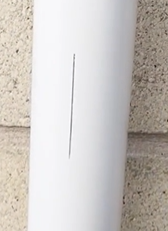
Gutter Repair – Before
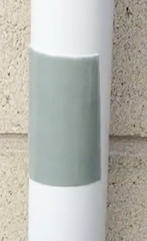
Broken Gutter – After